Fresh Spring Peas with Mint and Feta

Quick Summary

Fresh spring peas are one of the most fleeting, underrated vegetables of the season, available for just a few weeks, sweet enough to eat raw right from the pod. This quick recipe pairs just-blanched peas with lemon zest, fresh mint, green onions, and crumbled feta for a dish that tastes like spring in a bowl. Ready in under 10 minutes, it’s a versatile side for lamb, chicken, or fish, or spooned over greens for a light lunch packed with plant protein and fiber.


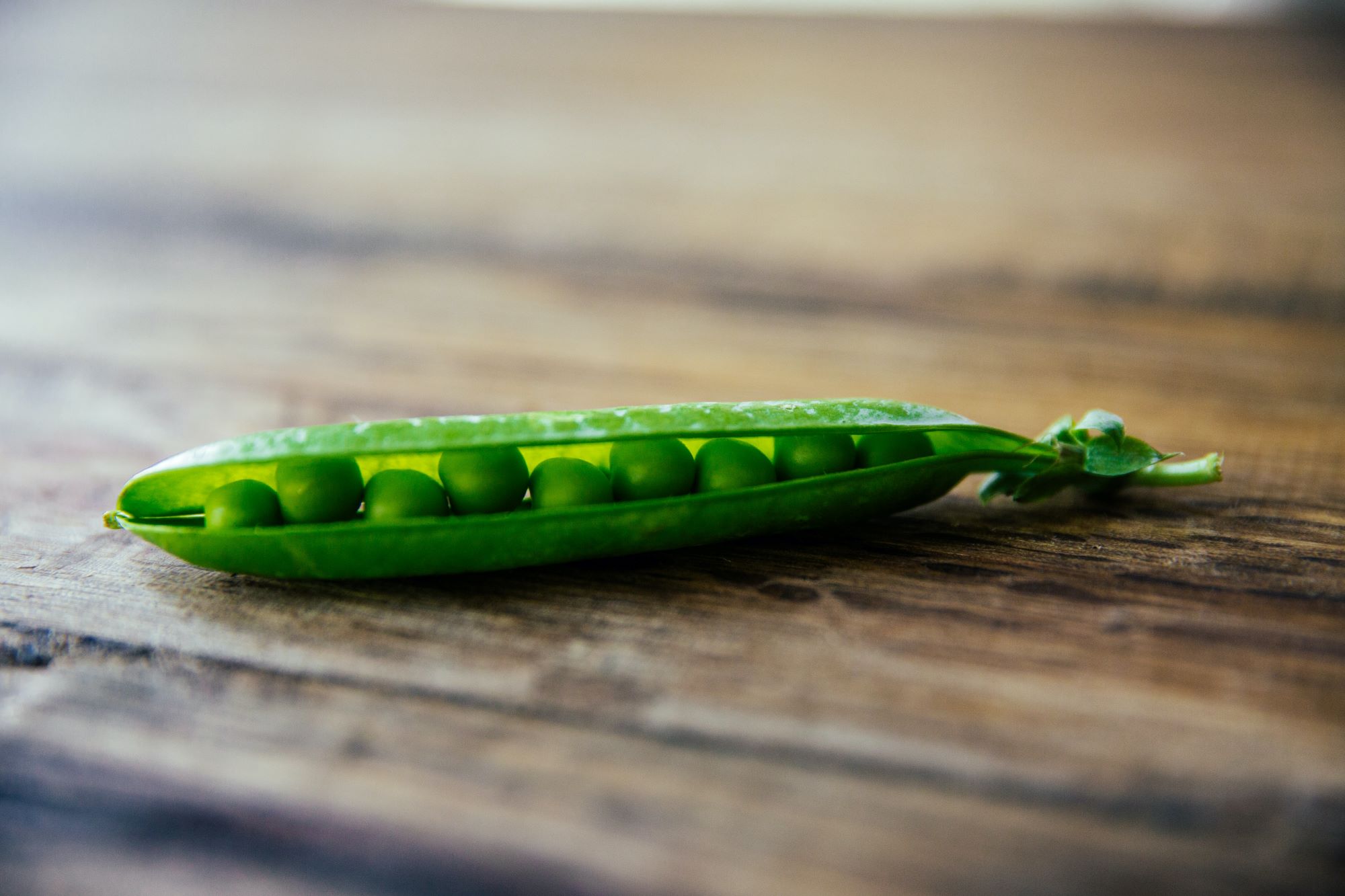
Fresh peas in pod

There is a very short window every spring when fresh English peas appear at the farmers’ market, and I never miss it. These are not the frozen peas you dump from a bag — they’re bright, sweet, grassy, and alive in a way that frozen simply can’t replicate. Shelling them takes a few minutes of gentle, meditative work, and the reward is a pea so sweet you’ll snack on half of them before they make it to the bowl.

This recipe is less a recipe and more a celebration of what fresh peas already are. Lemon zest brightens them, fresh mint adds an herbal lift, crumbled feta brings salty creaminess, and a drizzle of good olive oil pulls it all together. It’s on the table in under 10 minutes, start to finish.

Why You’ll Love This Spring Peas Recipe

  • On the table in under 10 minutes — one of the fastest fresh-vegetable sides in my repertoire
  • Requires no special equipment and fewer than 10 ingredients
  • Elegant enough for a dinner party, simple enough for a Tuesday
  • Naturally gluten-free and vegetarian, easily made vegan by omitting feta
  • The flavors — sweet pea, sharp lemon, cool mint, salty feta — are extraordinary together

The Nutritional Power of Spring Peas (RD Perspective)

Fresh peas are a nutritional outlier among vegetables: they’re one of the few that provide meaningful protein (5g per half cup), making them uniquely satisfying. Here’s what else one half-cup of fresh peas delivers:

  • 5g plant-based protein — unusually high for a vegetable
  • 4g dietary fiber, supporting digestive health and satiety
  • Vitamin C: over 30% of your daily needs per serving
  • Vitamin K, folate, and thiamine (B1) — all essential for energy metabolism
  • Rich in antioxidants including lutein and zeaxanthin, protective for eye health

The combination of protein, fiber, and complex carbohydrates in peas also contributes to a lower glycemic response compared to other starchy vegetables — making them a smart choice for blood sugar management.

Explore more spring-inspired, nutrient-dense recipes:

🔗 Spring Asparagus Parmesan Frittata with Simple Green Salad

🔗 Anti-Inflammatory Smoothie Bowl: RD-Approved Recipe

🔗 3 Ingredient Sweet and Spicy Slow Roasted Pumpkin Seeds

Fresh vs. Frozen Spring Peas — Which Should You Use?

Fresh peas are the star of this recipe, but they’re available for just a few weeks in spring. Here’s a practical guide:

  • Fresh peas (peak season, late spring): Sweetest, brightest, most texturally alive. Worth the slight effort of shelling. Buy medium pods — small pods may be underdeveloped, large pods can be starchy.
  • Frozen peas (year-round): Frozen within hours of harvest, they’re nutritionally excellent and far better than ‘fresh’ peas that have traveled for days. A perfectly acceptable substitute.
  • Canned peas: Not recommended for this recipe — they’re too soft and have a flat, muted flavor that doesn’t suit the brightness of the dish.

Pro tip: When fresh peas are in season, shell in bulk, blanch, and freeze for use through the year in soups, pasta dishes, and salads.

Ingredients You’ll Need

  • 2 cups fresh shelled peas (from about 2 lbs of pods)
  • 1 small clove garlic, crushed
  • 2 green onions, thinly sliced
  • 1 tbsp finely grated lemon zest (from about 1 large lemon)
  • Juice of 1/2 lemon
  • 1/4 cup fresh mint leaves, roughly chopped
  • 1 tbsp good extra virgin olive oil
  • Sea salt and freshly cracked black pepper to taste
  • 2 oz good-quality feta cheese, crumbled

Ingredient notes: Use the best feta you can find — ideally a block packed in brine rather than pre-crumbled. The flavor difference is significant. Similarly, a bright, fruity olive oil elevates the dish; this is not the recipe for your cooking oil.

How to Make It (Step by Step)

  1. Bring a small pot of generously salted water to a boil.
  2. Meanwhile, combine garlic, green onions, lemon zest, lemon juice, mint, olive oil, salt, and pepper in a medium bowl. Stir to combine.
  3. Add peas to the boiling water and cook just until heated through but still firm — about 2 minutes. Do not overcook; you want a slight snap, not mush.
  4. Drain immediately and toss with the lemon-mint mixture while still hot (the heat helps the flavors meld).
  5. Fold in crumbled feta, taste for seasoning, and serve immediately.

What to Serve with Spring Peas

This dish plays beautifully alongside:

  • Grilled or roasted lamb — the classic pairing; mint and lamb are made for each other
  • Pan-seared chicken thighs or a simple roast chicken
  • Grilled fish, particularly salmon, halibut, or branzino
  • Spooned over a bed of arugula or spring greens for a light lunch or starter
  • Folded into just-cooked pasta with a spoonful of the pasta water to make a sauce

Dietitian’s Tips for Perfect Spring Peas

  • Don’t skip the salt in the blanching water: It seasons the peas from within and brightens their color.
  • Toss while hot: The lemon and olive oil absorb into warm peas in a way they simply don’t when cold.
  • Taste the peas raw: If they’re starchy rather than sweet, your peas are past their prime. Seek smaller, younger pods.
  • Adjust lemon to your palate: Lemon zest and juice together can be bold. Start with the zest, taste, and add juice gradually.

Spring is fleeting — these peas even more so. Make this recipe at least once while they’re in season. I promise it will become a warm-weather ritual.

Frequently Asked Questions

This dish is best served immediately after making, while the peas are still warm and the feta is freshly crumbled. If needed, prepare the lemon-mint dressing up to a day ahead and store separately; blanch the peas and assemble just before serving.

Look for bright green, firm pods that feel full and heavy. Avoid yellowing, limp, or oversized pods. Pop one open and taste a raw pea — it should be sweet and tender. If it tastes starchy, skip them; they’re past peak.

Green peas are moderate-FODMAP in large portions. If you’re following a strict low-FODMAP protocol, limit portions to about 1/4 cup and check tolerance individually. Omit the garlic and substitute the green tops of scallions only to reduce FODMAP content further.

Fresh mint is strongly preferred here — its bright, cooling flavor is central to the dish. Dried mint has a more concentrated, slightly medicinal character that doesn’t translate as well in this context. If fresh mint is unavailable, fresh basil or flat-leaf parsley are better substitutes than dried mint.

Absolutely. Blanched asparagus tips, sliced snap peas, or halved cherry tomatoes all work beautifully with the lemon-mint-feta flavor profile. Keep additions light so the fresh peas remain the star.

Get Recipes in Your Inbox

Like this one? Subscribe to get fresh, healthy recipes from Tina — no spam, just good food.

I'm Tina Marinaccio, a NJ-based Registered Dietitian.

My mission is to empower individuals to nourish their bodies with balanced, flavorful meals that support health, wellness, and an active lifestyle.

Get Recipes in Your Inbox

Like this one? Subscribe to get fresh, healthy recipes from Tina — no spam, just good food.

Recent Posts

Categories

Tina Marinaccio, MS, RDN, CPT, is a Licensed Registered Dietitian Nutritionist and Certified Personal Trainer based in Denville, New Jersey. With more than 25 years of experience in nutrition counseling, personal training, cooking instruction, and public speaking, she helps individuals build sustainable, healthy lifestyles through practical, evidence-based nutrition.

Tina earned her Master’s Degree in Clinical Nutrition from New York University and has completed advanced training in functional medicine and nutrition. Throughout her career, she has served in leadership roles within hospitals, rehabilitation facilities, and the nutrition industry, and has been featured in leading media outlets including Men’s Health, Yahoo, Fox News, AARP, ParadeThe New York Post, MyFitnessPal, Today’s DietitianEat This, Not That!, GoodRx, and Healthline. She is passionate about helping people improve their health through realistic nutrition strategies that fit everyday life.

Download My Free Anti-Inflammatory Diet Cheat Sheet (with Recipes)

Science-backed tips to reduce inflammation and feel your best — starting today.