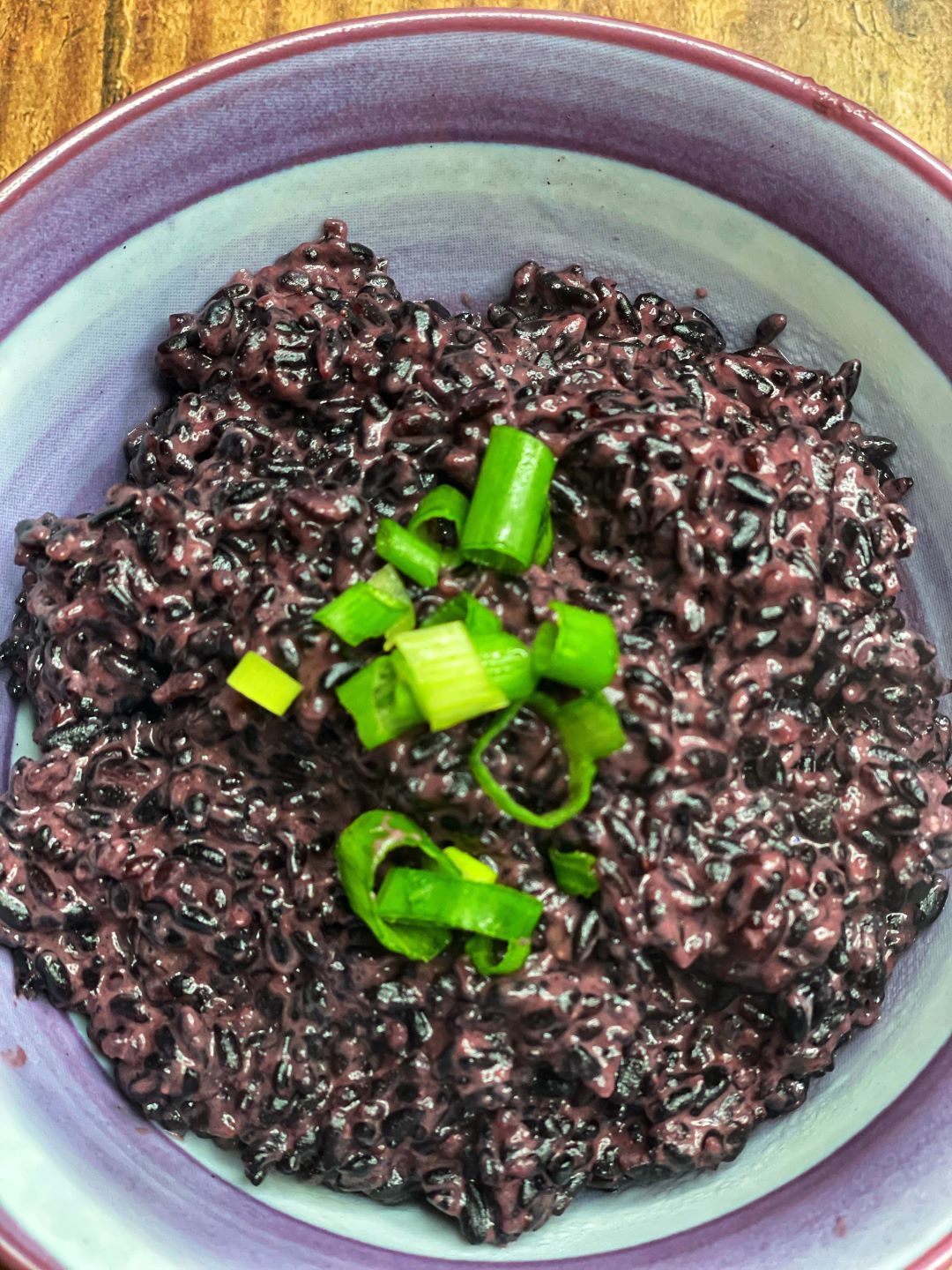
What is Forbidden Rice?
This heirloom black rice has been an important part of Asian cuisine for thousands of years
Also called Emperor’s rice, forbidden black rice got its’ names because it was first used in traditional Chinese medicine, and reserved exclusively for aristocracy
What Does Forbidden Black Rice Taste Like?
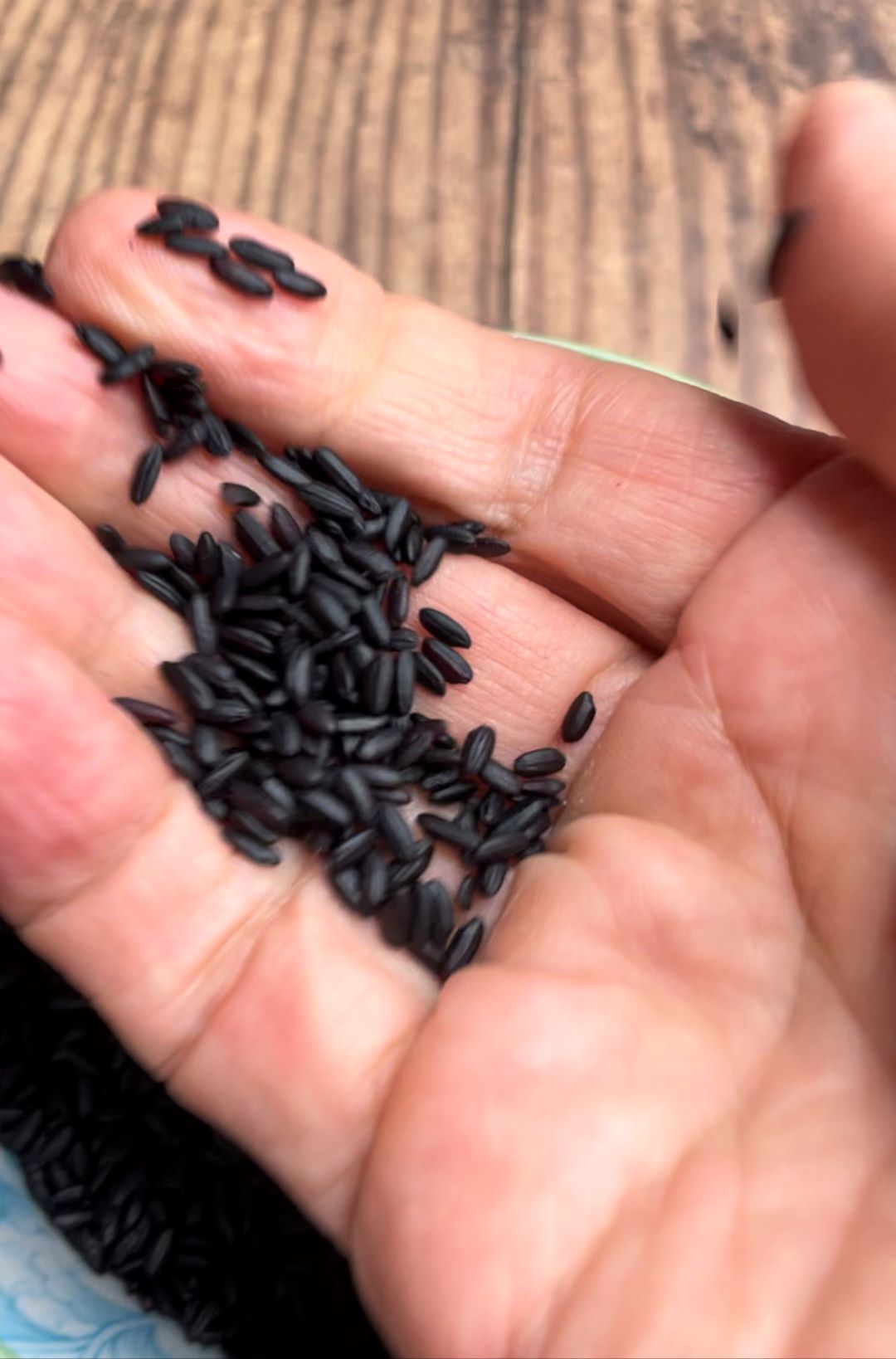
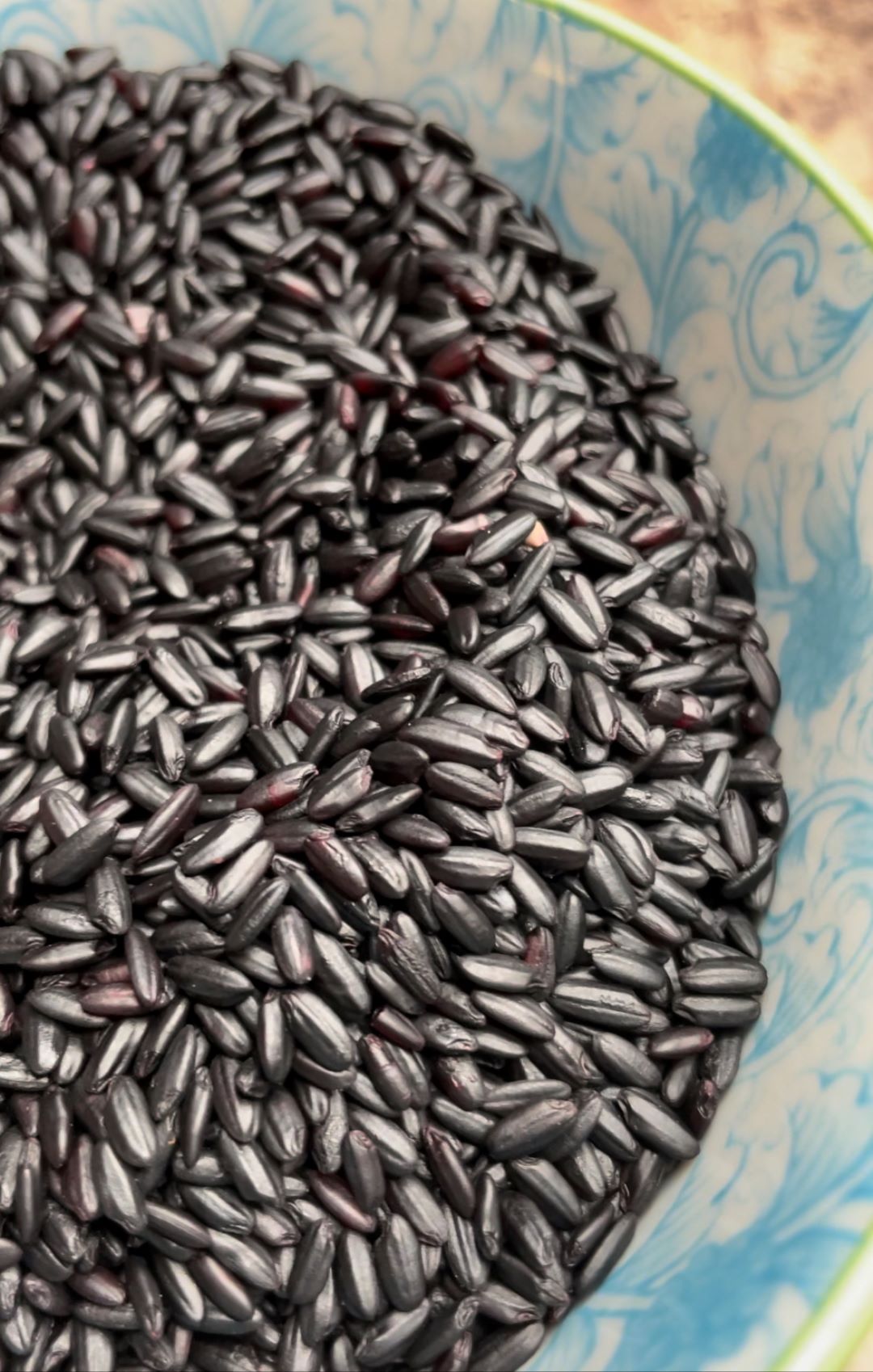
Because the bran is intact, the flavor is nutty, slightly sweet and floral, and the texture is chewy
There are several varieties, each with its’ own unique taste
Is Forbidden Black Rice Healthy?
When cooked, it turns from black to a gorgeous deep purple, and is considered a super food because of the phytonutrient flavonoid pigments called anthocyanins
Research has shown this rice to be a more powerful antioxidant than blueberries
What are anthocyanins?
Of the 6,000+ flavonoids known, there are six main types of anthocyanins
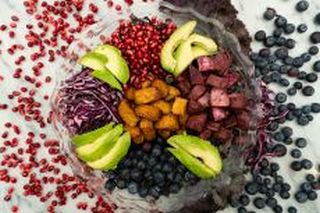
They are found in fruits, veggies, and grains with red, blue, black, or purple hues including cherries, berries, grapes, pomegranates, purple cabbage, radishes, red onions, purple cauliflower, eggplant skin, black rice, black soybeans, and some beverages like red wine and grape juice
Anthocyanins are water soluble, so it’s best to avoid boiling these foods, unless you are using the cooking liquid, such as the coconut black forbidden rice recipe below, where all of the water is absorbed
Anthocyanins boost immunity, aid in weight loss, decrease inflammation, and help protect against chronic inflammatory disease such as cardiovascular disease and diabetes
Where Can I Buy Forbidden Black Rice?
Many supermarkets, online markets, and Asian markets. The origins are Japan, but there are now many varieties grown in many other countries
How Do I Cook Forbidden Black Rice?
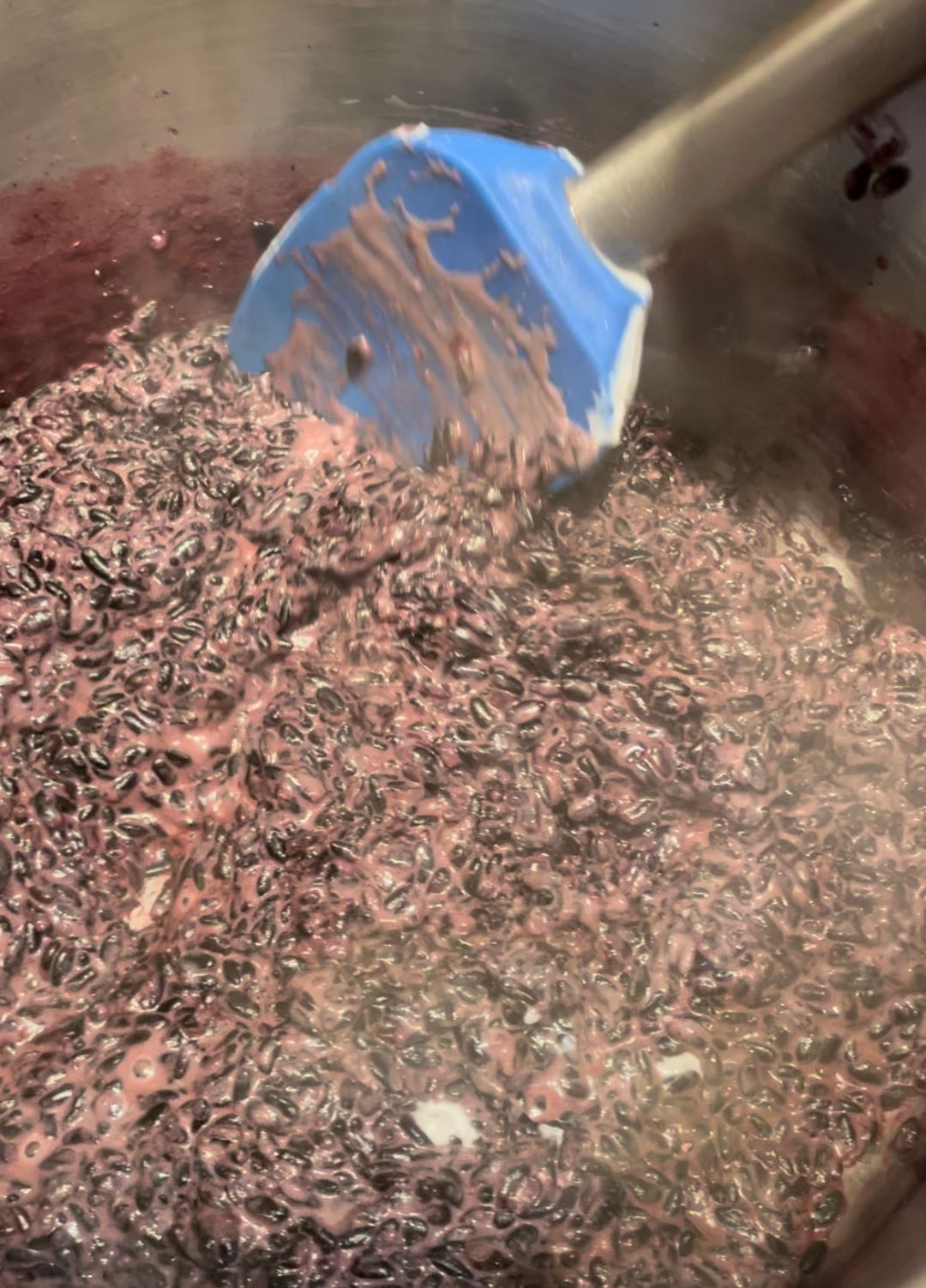
If using an electric cooker, use the same setting you would use for brown rice, and the same amount of water, plus a pinch of salt
If you are cooking on the stovetop, you will need 2 cups of water per each cup of rice, and boil on the stove for a minimum of 30 minutes, but it may take up to 60 minutes
Try this simple stovetop recipe below!
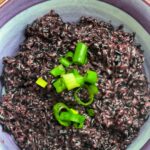
Forbidden Coconut Purple Rice
Ingredients
- 1 cup forbidden rice
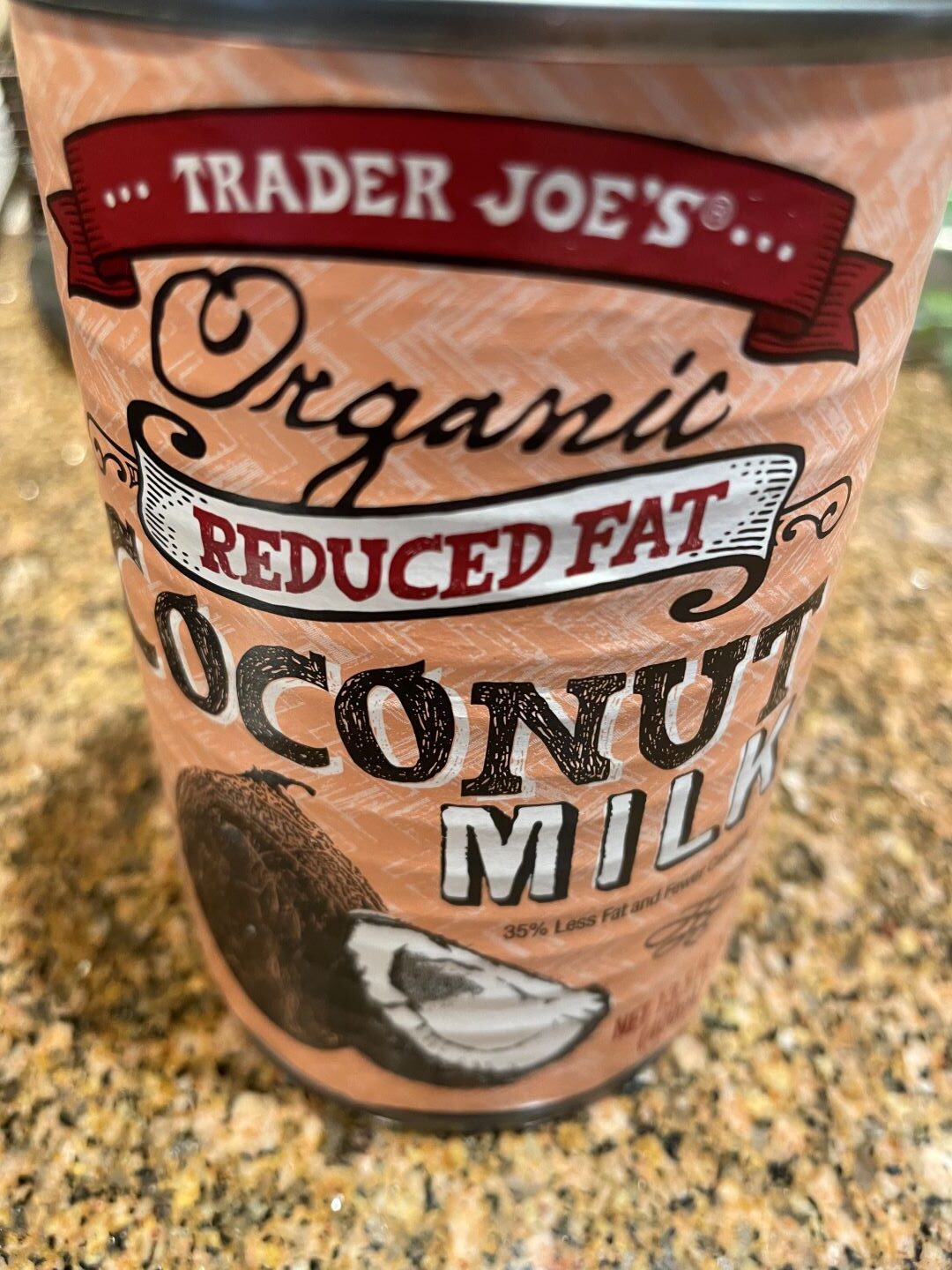
- 1 15 oz can lite or reduced fat coconut milk
- 1 cup water
- Generous pinch of sea salt
- ½ cup slivered almonds
- ½ cup chopped scallions optional
Instructions
-
Rinse rice in strainer, and add to medium size pot with lid
-
Add coconut milk, water, and sea salt
-
Bring to a boil, then reduce to a low simmer
-
Cover and simmer low for 30 minutes, or until liquid is mostly absorbed, stirring occasionally
-
Remove from heat, and allow to stand covered for 10 minutes
-
Fluff with fork, and garnish with slivered almonds and chopped scallions (optional)
Recipe Notes
Cut fat (6g) and calories (by 75) by omitting coconut milk, and adding two more cups of cooking water


 Follow Me On Instagram
 Like My Facebook Page
 My LinkedIn