Quick Summary
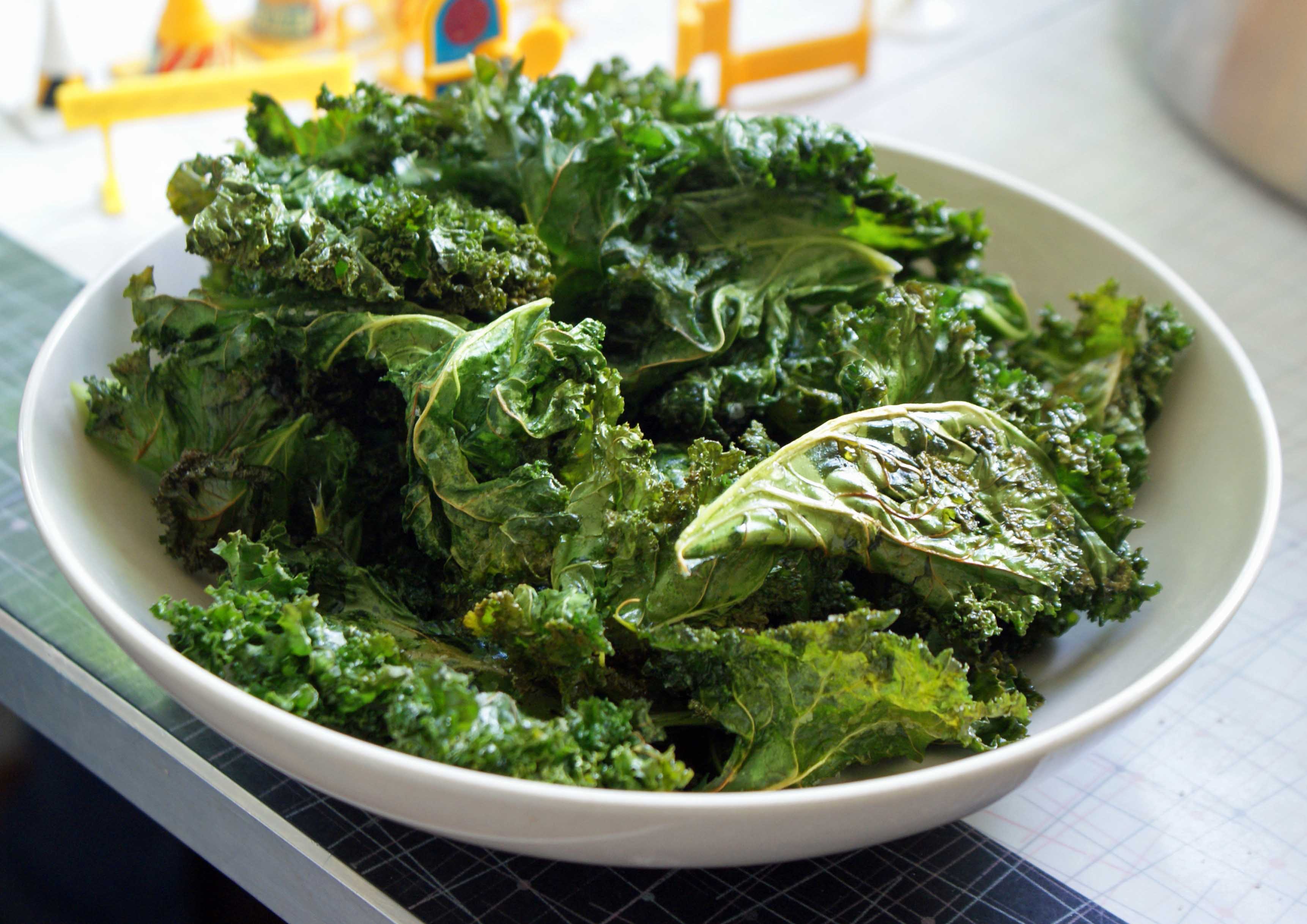
Homemade baked kale chips are a surprisingly easy, nutrient-packed snack that blow store-bought versions out of the water — without the $10 price tag or 1,000mg of sodium. The secret to perfectly crispy chips is simple: dry kale thoroughly, add acidity (lemon juice) to tame bitterness, use a light hand with olive oil, and give them space on the pan. Registered dietitian Tina Marinaccio shares seasoning variations, kale-type guidance, nutritional breakdown, and expert tips to get crispy results every single time.
Kale chips have graduated from health food novelty to genuine pantry staple and for good reason. They’re crunchy, satisfying, and deeply savory in a way that makes you forget you’re eating a leafy green. But here’s what I can’t get behind: a 2-ounce bag of store-bought kale chips costing $10 and containing nearly 1,000mg of sodium. You can make a full baking sheet at home for under $2, with a fraction of the salt.
After years of testing, I’ve figured out exactly what makes baked kale chips crispy (not soggy, not burnt) every time. It comes down to three things: dry kale, acid, and patience. This recipe covers all three.
Why You’ll Love These Baked Kale Chips
- Ready in under 15 minutes from prep to plate
- Cost roughly $1–2 to make versus $8–12 at the store
- Contains a fraction of the sodium of commercial versions
- Naturally vegan, gluten-free, and oil-light
- Endlessly customizable with different seasonings
The Nutritional Benefits of Kale (From an RD)
Kale is one of the most nutrient-dense vegetables on the planet — and roasting it concentrates those nutrients without destroying most of them. One cup of raw kale delivers:
- 206% of your daily Vitamin K needs (critical for bone health and blood clotting)
- 134% of Vitamin C (immune support, collagen production)
- Meaningful amounts of Vitamin A, B6, manganese, and calcium
- A good dose of antioxidants including quercetin and kaempferol, both with anti-inflammatory properties
Kale also provides sulforaphane, a sulfur compound with some of the most compelling research in cancer prevention. Baking at low temperatures helps preserve more of these beneficial compounds versus very high-heat cooking.
Looking for more ways to eat your greens? Try these:
🔗 Fresh Spring Peas with Mint and Feta
🔗 Anti-Inflammatory Smoothie Bowl: RD-Approved Recipe
🔗 Spring Asparagus Parmesan Frittata with Simple Green Salad
What Type of Kale Works Best for Chips?
Not all kale is created equal when it comes to chips:
- Curly kale: The most widely available variety and the best for chips. Its ruffled edges crisp up beautifully and hold seasonings well.
- Lacinato (Dinosaur) kale: Flat and darker, with a slightly earthier flavor. Makes excellent chips but takes 1–2 minutes longer to crisp.
- Red Russian kale: More tender with a mild flavor. Works, but can become papery rather than crispy — not my first choice.
Bottom line: reach for curly kale when you can.
Ingredients You’ll Need
- 1 large bunch of curly kale, destemmed, cleaned, spun dry, and torn into bite-size pieces
- Juice of 1/2 lemon
- 1–2 tsp good extra virgin olive oil
- Sea salt to taste
Seasoning Variations
The base recipe is classic and clean, but kale chips are a fantastic canvas for flavors. Try these variations:
- Cheesy (Nutritional Yeast): Toss with 2 tbsp nutritional yeast + garlic powder before baking for a savory, cheese-like flavor.
- Spicy Garlic: Add 1/4 tsp cayenne and 1/2 tsp garlic powder to the base recipe.
- Za’atar: Toss with 1 tsp za’atar spice blend for a Middle Eastern twist.
- Smoky BBQ: Combine smoked paprika, a pinch of cumin, and a tiny drizzle of maple syrup.
- Everything Bagel: Sprinkle with everything bagel seasoning immediately after removing from oven.
How to Make Crispy Baked Kale Chips (Step-by-Step Guide)
- Preheat oven to 350°F. Line two large baking sheets with parchment paper.
- Wash kale well, remove thick stems, and tear into bite-sized pieces (they’ll shrink by about half).
- Critical step: Spin thoroughly in a salad spinner, then pat dry with a clean towel. Any residual moisture = soggy chips.
- Spread kale in a single layer on prepared baking sheets. Do not overlap or crowd — this causes steaming, not roasting.
- Drizzle with fresh lemon juice, then a very light drizzle of olive oil. Sprinkle lightly with sea salt.
- Toss gently with tongs to coat evenly, then redistribute into a single layer.
- Bake 8–12 minutes, rotating pans and tossing once halfway through. Watch closely after 8 minutes — the line between crispy and burnt is thin.
- Remove from oven when chips are crisp and just beginning to brown at the edges. They crisp further as they cool.
- Serve immediately for maximum crunch.

Best Crispy Baked Kale Chips
Dietitian’s Tips for Perfect Kale Chips Every Time
- Spin dry, then pat dry: The salad spinner gets most of the water out, but a final pat with a clean towel makes the difference between crispy and soggy.
- Less oil than you think: A light drizzle — not a coat — keeps chips from going limp.
- Watch the oven: The difference between done and burned can be 60 seconds. Stay close during the last few minutes.
- Eat quickly: These are best within 30 minutes of baking. They absorb humidity from the air and soften over time — but you won’t have leftovers.
Skip the overpriced store-bought bags. Fifteen minutes and a handful of ingredients stand between you and the best kale chips you’ve ever had. Give this recipe a try tonight.
Frequently Asked Questions
The culprit is almost always moisture. Kale must be completely dry before seasoning and baking. Use a salad spinner, then pat with a towel. Crowding the pan is the other common mistake — give chips plenty of space for hot air to circulate.
Yes! Air fryer kale chips are even faster — 375°F for 5–7 minutes, checking frequently. Work in small batches so air can circulate properly. Season the same way as the oven method.
Store in a paper bag or loosely covered container at room temperature — never in an airtight container, which traps steam and causes sogginess. Best eaten within a day, though honestly they rarely last that long.
Yes! Kale is one of the better plant-based calcium sources, with approximately 90–100mg per cup. It also contains Vitamin K, which works synergistically with calcium for bone health. For those avoiding dairy, it’s a valuable part of a bone-supporting diet.
You can, but you’ll still need to re-dry it thoroughly — bagged kale retains surface moisture. Tear into chip-size pieces and give it a good spin in the salad spinner before proceeding.